Contagion
in Organizational Network Analysis (ONA)
Contagion in Organizational Network Analysis (ONA) refers to the spread of behaviors, ideas, or resources through a network. In a workplace, this could include the dissemination of innovation, cultural norms, or even stress. Contagion processes are categorized into Simple Contagion and Complex Contagion, each with distinct mechanisms and implications for organizational
dynamics.
Simple Contagion
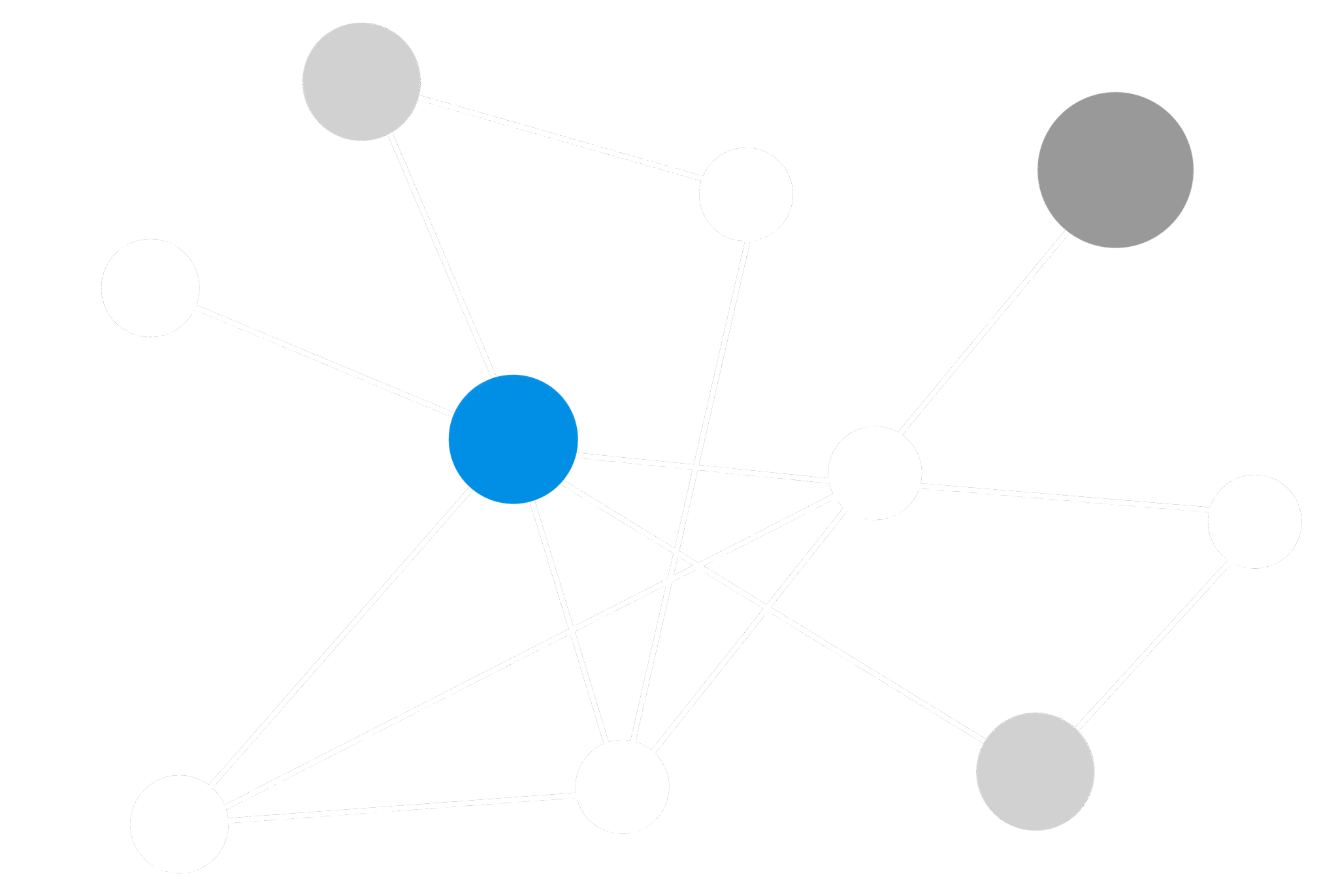
Simple Contagion occurs when a single exposure to a behavior or idea is sufficient for it to spread from one node to another.
- Mechanism: The spread is straightforward and often rapid, requiring only one connection to transmit. For example, if Employee A adopts a new productivity tool and shares it with Employee B, B may adopt it after this single interaction.
- Characteristics:
- Typically involves easily transmissible elements like information, gossip, or simple behaviors.
- Spreads effectively even in sparse networks with few connections.
- ONA Example: The rapid spread of a company-wide announcement (e.g., a new policy) through email or a single meeting. An employee only needs to hear the announcement once to pass it on to others.
Complex Contagion
Complex Contagion requires multiple exposures or social reinforcement for a behavior or idea to spread, often involving social influence or peer pressure.
- Mechanism: Adoption depends on multiple connections reinforcing the behavior. For instance, Employee A might only adopt a new collaborative practice if several colleagues (e.g., Employees B, C, and D) are already using it, providing social validation.
- Characteristics:
- Involves more complex behaviors, norms, or innovations that require trust or consensus, such as adopting a new workflow or cultural value.
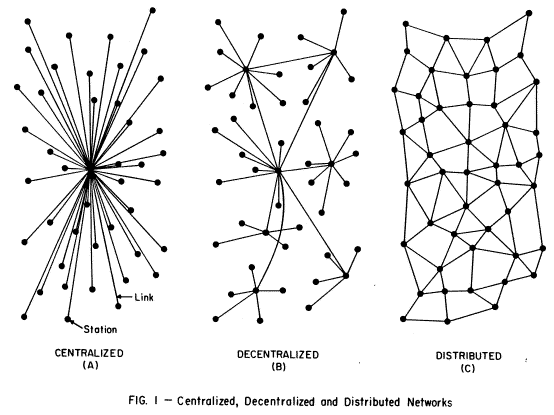
- Spreads more effectively in dense, cohesive networks where nodes have multiple overlapping connections.
- ONA Example: The adoption of a new team collaboration tool might spread as a complex contagion. An employee may hesitate to adopt it unless they see multiple team members successfully using it, reinforcing its value through peer influence.
Key Differences in ONA
- Speed and Reach: Simple contagion spreads faster and can reach more isolated nodes (e.g., remote workers) with minimal connections. Complex contagion spreads slower and requires denser networks for effective dissemination.
- Behavior Type: Simple contagion often applies to low-risk, low-effort behaviors (e.g., sharing a memo), while complex contagion applies to high-stakes or socially influenced behaviors (e.g., adopting a new strategic initiative).
- Network Structure Impact: Simple contagion thrives in sparse networks with bridges, while complex contagion relies on clusters with high cohesion, such as tight-knit teams.
Applications in ONA
Understanding contagion helps organizations manage change and influence dynamics:
- Simple Contagion: Leverage for quick dissemination of critical information, such as policy updates or safety protocols, ensuring even peripheral employees are reached through single interactions.
- Complex Contagion: Use to drive adoption of significant changes, like cultural shifts or new workflows, by targeting densely connected teams or influential employees to create social reinforcement.
- Mitigating Negative Contagion: Identify and address the spread of negative behaviors, such as stress or resistance to change, by breaking cycles of reinforcement in complex contagion or redirecting simple contagion pathways.
By analyzing contagion processes, organizations can strategically influence behaviors, foster innovation, and manage the spread of both positive and negative dynamics in the workplace.